Hire AI Agent Developers
What Our AI Agent Developers Can Do
Custom AI Agent Development
Building agents that can retrieve information, use external tools and carry out tasks via APIs and existing business applications.
LLM Integration & Development
Connecting the language models to the apps, implementing tool calling, the structured responses and the backend logic needed to process the AI requests.
RAG Development
Developing retrieval systems that enable AI agents to access company docs, knowledge bases and the relevant business data.
Multi-Agent Systems
Building workflows in which a number of specialist agents take on different tasks and pass information to each other where it's not possible or efficient to do it with a single agent.
AI Workflow Automation
Developing automated processes that are a blend of AI models, business rules and integrations to CRMs, databases and internal tools.
API & Tool Integration
Connecting AI agents to external services through REST APIs, webhooks and custom backend endpoints.
AI Agent Testing & Optimization
Testing agent responses, tool calls and task completion. Improving the workflows, dealing with errors and monitoring model usage.
AI Agent Maintenance
Updating model integrations, improving existing agents, fixing a number of technical issues and adapting workflows to new requirements.
Our Projects
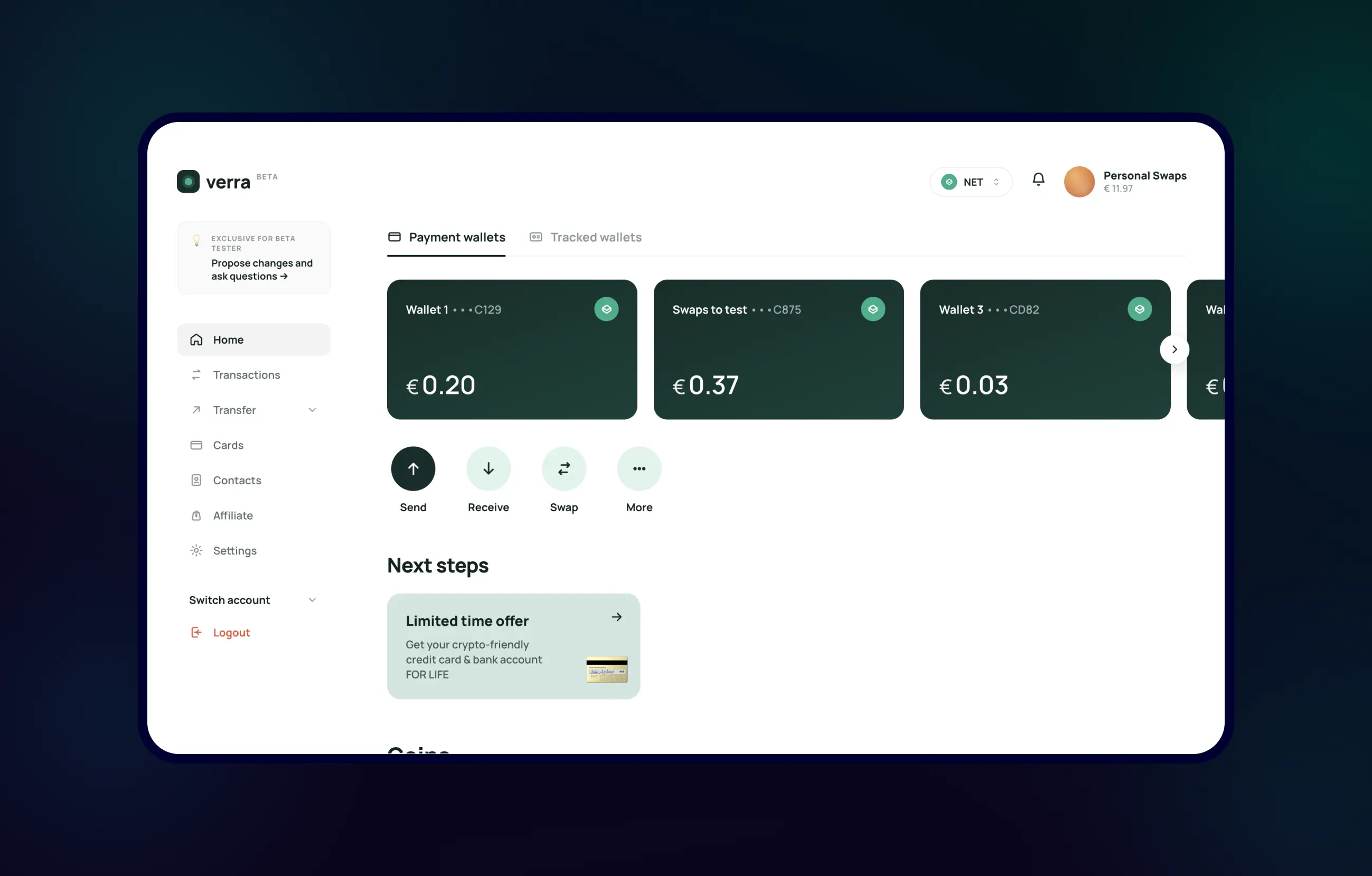
Asset Management Platform Development
A digital asset platform for managing funds and spending crypto through virtual and physical cards across personal and corporate accounts.
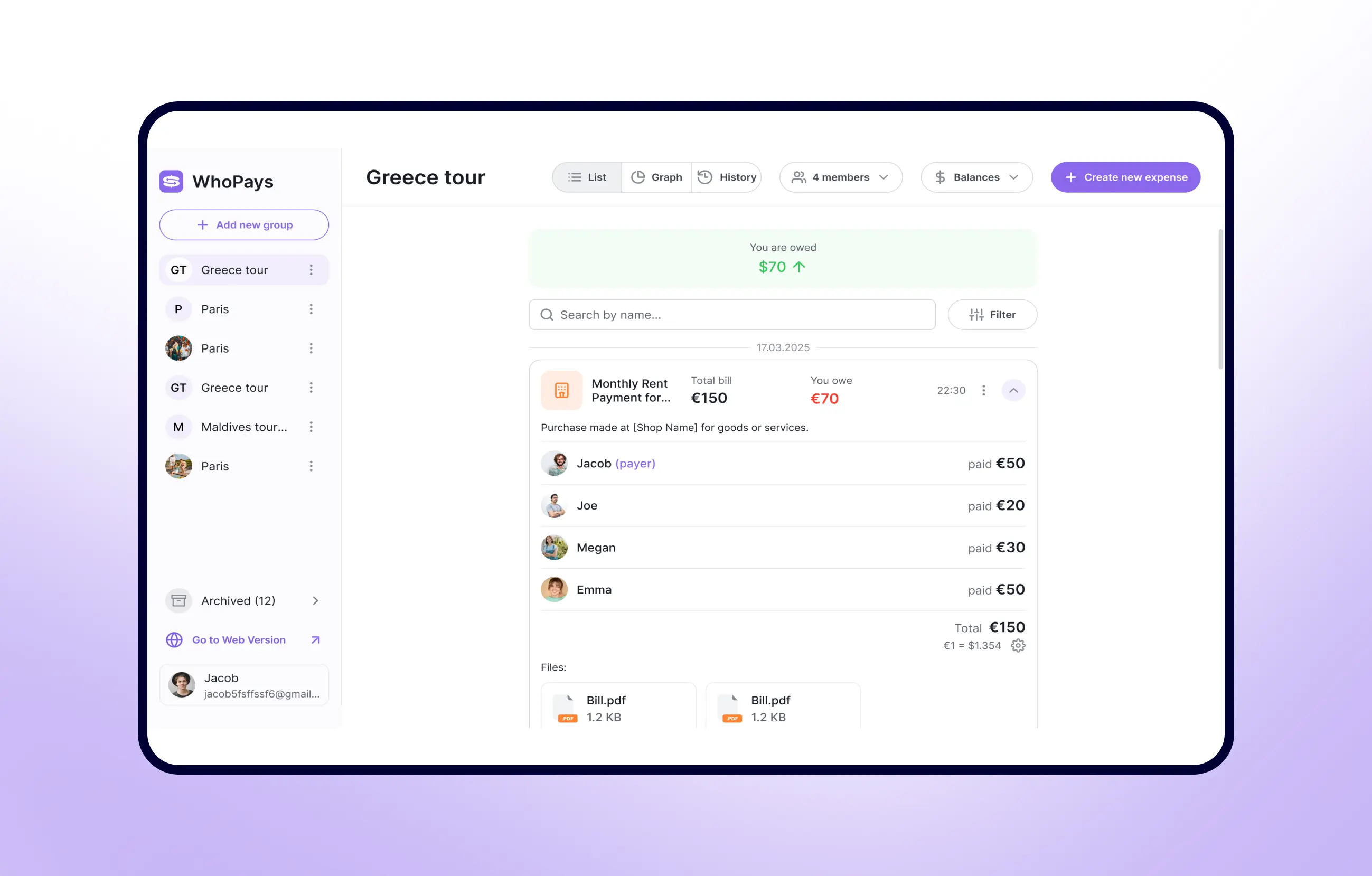
Personal Finance App Development
A personal finance app that helps groups split expenses, track balances, and settle payments without manual calculations.
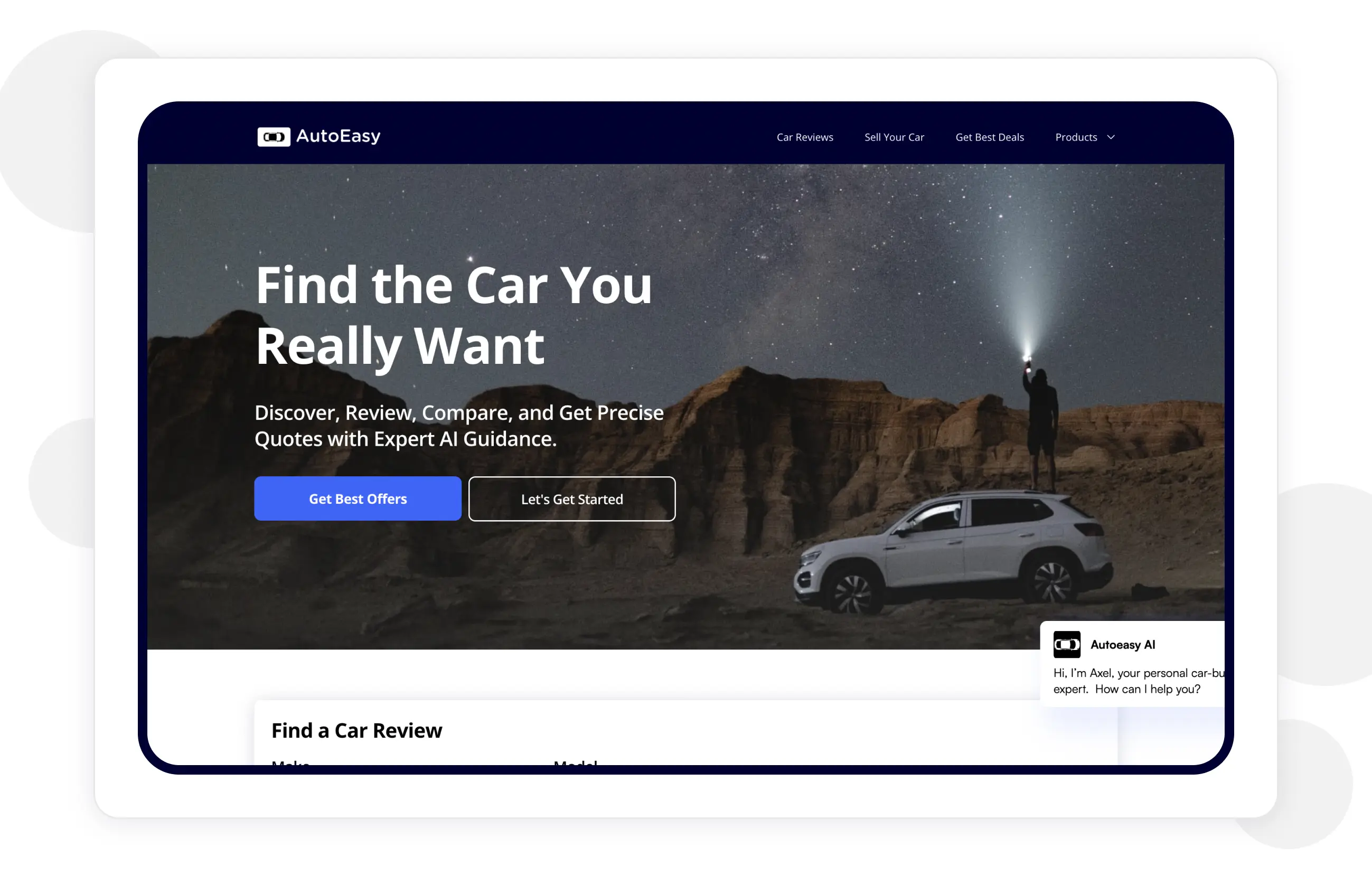
AI-Powered Car Shopping Website Development
An AI-powered platform that helps users find the best car deals through automatically generated reviews, comparisons, and rankings.
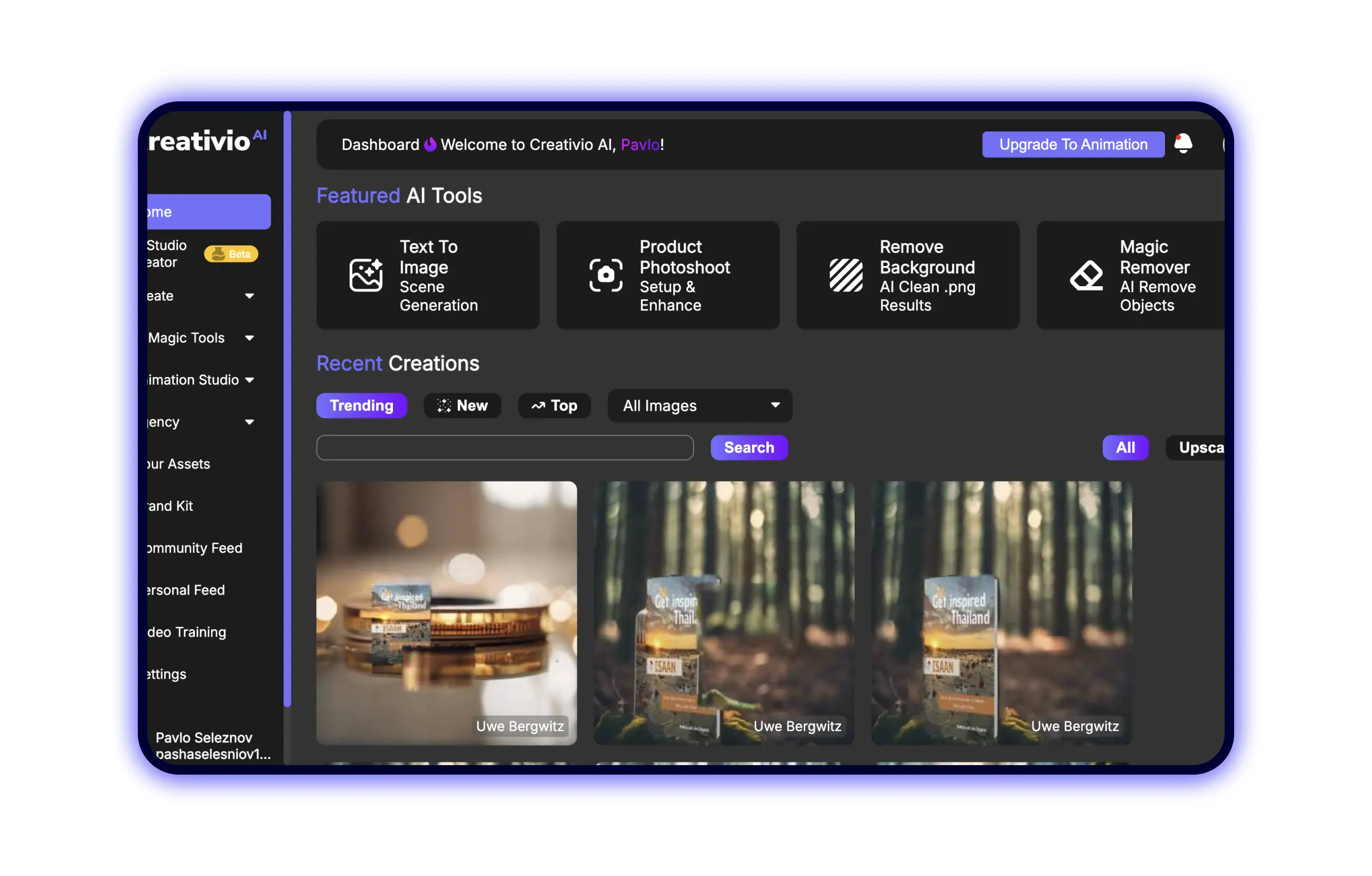
AI SaaS Development
A SaaS platform that uses AI to generate product photography, edit images, remove backgrounds, and improve visual quality.
Types of AI Agents Our Developers Can Build
Customer Support Agents
AI agents that retrieve customer information, check order status, create support tickets and draft responses using the various business systems that are connected.
Sales & CRM Agents
Agents for lead qualification, CRM updates, customer information retrieval and the preparation of follow up tasks for the sales team.
Document Processing Agents
AI agents that pull information from documents, check the required fields and pass the structured data on to other applications.
Internal Knowledge Agents
Agents connected to company documents and databases to assist staff in finding information and completing their tasks via the various internal tools.
Financial Operations Agents
Agents that support document review, transaction categorisation, financial data retrieval and internal approval workflows.
SaaS Product Agents
AI agents built into SaaS applications to assist users in generating reports, updating records, searching information and carrying out multi-step tasks.
Hire AI Agent Developers for Different Industries
FinTech & Financial Applications
Developers for agents that work with financial documentation, transaction data, customer support and internal KYC/KYB workflows (with the appropriate level of access).
SaaS Platforms
AI agent development for product assistants, reporting, account management, knowledge retrieval and all the workflows that interface with the existing SaaS functionality.
E-commerce & Marketplaces
Agents for customer requests, product information, order status, and all the various admin workflows.
Internal Business Operations
Developers for AI agents that process documents, retrieve information, update records, and connect tools used by different departments.
How to Hire AI Agent Developers from Stubbs
1. Share Your Requirements
Tell us what you're building, which AI models or frameworks you're using and what the developer will be responsible for. We'll also look at the expected workload and the level of experience required.
2. Review Developer Profiles
We select candidates based on your technical requirements. You'll get their profiles and be able to assess their experience in the relevant technologies and projects.
3. Interview the Developers
Meet the candidates, discuss your application, and ask technical questions. You could also incorporate a technical assessment as part of the process.
4. Start Working Together
Once you've picked a developer you agree on the engagement terms and arrange onboarding. The engineer then joins your workflow and starts working on the assigned tasks. You can also start off with a one week trial under our staff augmentation terms.
Our AI Agent Developer Hiring Models
Staff Augmentation
Add an AI agent developer to your team. Your technical lead will be managing the priorities and the engineer will be working in your normal dev process.
Best for: teams who need some extra expertise in LLM integrations, agent workflows and the like.
Dedicated AI Agent Developers
Hire an engineer for ongoing AI agent development, testing, integrations and product improvements.
Best for: organisations who have a steady backlog of development work or who already have an AI product.
Dedicated Development Team
Bring in a number of engineers for a larger project, with additional backend, frontend, QA or technical leadership on board.
Best for: companies building an AI product or managing a number of interlinked workstreams.
Why Hire AI Agent Developers from Stubbs?

1
Experience with Complex Integrations
We've worked with payment systems, banking APIs, crypto services and identity verification providers. This experience is useful when you've got agents that need to connect with existing software.
2
Full-Stack Development Expertise
We work with React, Next.js, Node.js and TypeScript on both the AI agent side and the applications that the agents are working with.
3
FinTech & SaaS Experience
We've built financial platforms, crypto exchanges, marketplaces and a range of SaaS products including systems with very complex permissioning and transaction workflows.
4
100+ Projects Delivered
Since 2019 Stubbs have delivered over 100 software projects. The team comprises 20+ mid and senior level specialists.
5
Direct Communication
Your developer works directly with your team, using your repos, your tasking tools and your communications.
6
Flexible Hiring Terms
Hire one engineer or put together a team. We can provide both part time and full time engagements and of course a one week trial under our staff augmentation terms.
Frequently Asked Questions
1. How much does it cost to hire an AI agent developer?
How much does it cost to hire an AI agent developer?
The cost will vary depending on the developer's experience, the technologies involved and the complexity of the agent you're building. At Stubbs standard software engineering rates are 30-45/hr, Tech Lead and Solution Architect rates are generally 40-55/hr. AI agent specialists will be priced on an individual basis according to their skillset and responsibilities. We'll confirm the hourly rate with you once we've assessed your requirements and selected the right people.
2. What does an AI agent developer do?
What does an AI agent developer do?
An AI agent developer builds apps that use language models to work with information, call external tools and perform tasks. Their job is typically LLM integration, tool calling, RAG, API integration and workflow logic. They'll also be looking at how the agent behaves when information is missing or an external service fails. It's quite different to just building a chatbot really. Agent development often involves actions being taken across a number of different systems.
3. What skills should I look for when hiring an AI agent developer?
What skills should I look for when hiring an AI agent developer?
Look for experience with LLM APIs, tool calling, prompt and context management, RAG and backend development. Experience with auth, databases, API integrations and error handling is a must. Familiarity with LangChain or LangGraph would be an advantage but again experience is far more important than library knowledge. For a senior role I’d be particularly interested in how they go about testing agent behavior and how they manage access to external systems.
4. What is the difference between an AI agent developer and an AI chatbot developer?
What is the difference between an AI agent developer and an AI chatbot developer?
An AI chatbot developer is primarily concerned with building applications that respond to users and provide information. An AI agent developer goes a step further and builds in the capability for the system to use tools and carry out tasks. So a chatbot might be asked a question about an order and simply answer that question. An agent could be asked the same thing and would then go out and retrieve the order, check the status of the delivery, and then generate an update. The two roles overlap a bit but agent development typically involves a lot more work with the backend and integrations.
5. Can I hire an AI agent developer for an existing application?
Can I hire an AI agent developer for an existing application?
Yes. Our engineers can work with your existing web and mobile apps to add AI agent capability. That could be the addition of an assistant to a SaaS product, an agent being connected to your internal tools, or the creation of new backend endpoints. We'll look at the app architecture and the APIs that are currently available prior to doing anything. You don't necessarily have to re-build your product in order to add an AI agent.
6. Can your developers work with LangChain and LangGraph?
Can your developers work with LangChain and LangGraph?
LangChain and LangGraph are both used in the development of LLM applications and for the structuring of agent workflows. LangChain offers the tools for model and application integration, LangGraph is for stateful workflows that have multiple steps. If you're already using one of those frameworks then that will be a requirement we'll look at when we're matching candidates. We wouldn't recommend bringing in a further framework unless it actually solves a problem in the architecture of the application.
7. Can your developers build RAG-powered AI agents?
Can your developers build RAG-powered AI agents?
Yes we can scope development around RAG and match the engineers with the requisite retrieval and backend skills. RAG enables an agent to retrieve information from documents, knowledge bases and other sources prior to generating a response or completing a task. The developer would need to be able to do document processing, retrieval, data access and data connection to the LLM. User permissions are obviously important if the agent is going to be working with internal company information.
8. Can I hire an AI agent developer part-time?
Can I hire an AI agent developer part-time?
Yes, part time co-op can be a great way to keep your existing agents going, to improve integrations, to test workflows or to add certain features. You might well need an engineer for 20 hours a week to improve an AI assistant that your team is already using. For bigger development work you may well be better off with a full time person. We'll agree on the amount of work and the timescale prior to the engagement commencing.
9. How quickly can I hire an AI agent developer?
How quickly can I hire an AI agent developer?
The timeline will obviously be dictated by the technical requirements and developer availability. We'll start by looking at your project and identifying suitable candidates with the relevant experience. You can then go through the profiles and interview the candidates as you see fit. A role which is essentially just about integrating a standard LLM will be far easier to fill than one which is looking for someone with specific experience in a multi-agent system or a particular framework. Onboarding will start once you've agreed a candidate and an engagement model.
10. Do I need a developer who specializes in AI agents or a general AI developer?
Do I need a developer who specializes in AI agents or a general AI developer?
It really depends on the work. If you're building a chatbot that just answers questions off documents then an AI dev with LLM integration and RAG experience is all you need. If you're building something that has to pick tools, do multi-step tasks, interact with a number of APIs and be able to recover from failures then you'd want an engineer with agent dev experience. We can look at the requirements and work out what skills are actually required.
11. Can AI agent developers work with our existing backend team?
Can AI agent developers work with our existing backend team?
Yes. Our developers can join your existing dev process and work with your backend engineers, your frontend developers, your QA people and your technical leads. They can work from your repos, attend your sprints and work on the tickets that are assigned to them. That would be the case if your team already have the main app in place and you just need some extra skill to get the AI functionality implemented.
12. Can AI agents be used in financial applications?
Can AI agents be used in financial applications?
Yes, AI agents can be used to support financial document processing, information retrieval, customer service and internal admin. Any actions that involve payments, account balances or sensitive customer data will of course require appropriate validation and access controls. Our experience with FinTech applications, payment integrations and transaction flows is what enables us to deal with those requirements. The developer will also need to understand when an AI decision does in fact require human approval.
13. How do AI agent developers test their work?
How do AI agent developers test their work?
Testing goes well beyond just checking that the agent produces a sensible answer. You also need to be able to test what tools it uses, that it's getting the right information and how it behaves when a task can't be performed. This could involve a range of test cases, execution logs, permission checks and validation of the tool responses. For workflows that are actually going to change some significant records you can of course add in extra approval steps to ensure that you don't end up with an incorrect action.
14. Do I need to train a custom AI model before hiring an agent developer?
Do I need to train a custom AI model before hiring an agent developer?
Not in the least. Loads of AI agents out there are just using existing LLMs via API. In those sorts of projects the bulk of the work is really around defining what the agent is going to do, what tools it's going to have access to, how it's going to get information and what the application logic is going to be. Custom model training is only really necessary in very specific circumstances and wouldn't be the norm at all. You'd probably start off by just trying out some of the existing models to see if they're up to the job.
15. Do you offer a trial period for AI agent developers?
Do you offer a trial period for AI agent developers?
Yes, Stubbs do offer a one week trial via their staff augmentation service. That gives you the opportunity to assess the developer's technical ability, their communication and how they get on with the actual work. You can see how they go about your codebase and the work they're asked to do prior to any longer engagement. A refund is available under the agreed trial terms.
16. What’s the difference between hiring an AI agent developer and outsourcing AI agent development?
What’s the difference between hiring an AI agent developer and outsourcing AI agent development?
Hiring a developer is just about adding an engineer to your team. Your company will be the one to set the priorities, assign the work and make the key product decisions. Outsourcing AI agent development is the scenario where you hand over a specific project or a defined development scope to an external team. If you already have technical leadership in place then staff augmentation may be the right route. If you're in a position where you need the architecture, development, testing and delivery all done as a package then a dedicated team or a project based service would be the more appropriate option.
17. Do you provide ongoing support for AI agents?
Do you provide ongoing support for AI agents?
Yes. AI agents will likely require updates as the model providers, the connected APIs and the application itself change. A developer can be involved in the maintenance of the integrations, in investigating failed tasks, in improving the agent's responses and in reviewing model usage. The ongoing work could also be to add tools, update permissions or change the workflow logic. You could keep a developer involved post launch or arrange support on a specific set of improvements.
We would love to help.
What are you interested in:
Name
Tell us about your project and goals
0/1000
Add your file
