Hire LangChain Developers
What Our LangChain Developers Can Do
Custom LangChain Development
Building LLM powered applications with LangChain (model connections, prompt handling, data retrieval, application logic etc.)
RAG Development
Developing retrieval pipelines that connect language models to company docs, knowledge bases and other data sources.
AI Agent Development
Building agents that use external tools, access application data and carry out tasks via APIs and services that are connected to the application.
LangChain API Integration
Connecting LLM applications to existing backends, databases, CRMs and other 3rd party platforms via APIs and webhooks.
LangGraph Development
Implementing stateful agent workflows with LangGraph (multi-step execution, tool calling, human approval steps).
LLM Application Development
Developing AI powered features for SaaS platforms and internal tools (document analysis, text generation, classification, conversational interfaces etc).
LangChain Testing & Optimization
Testing model responses, retrieval quality and workflow behavior. Improving response times, error handling and API usage.
LangChain Maintenance & Upgrades
Updating LangChain dependencies, migrating the existing implementations, fixing the integration issues and maintaining the LLM apps.
Our Projects
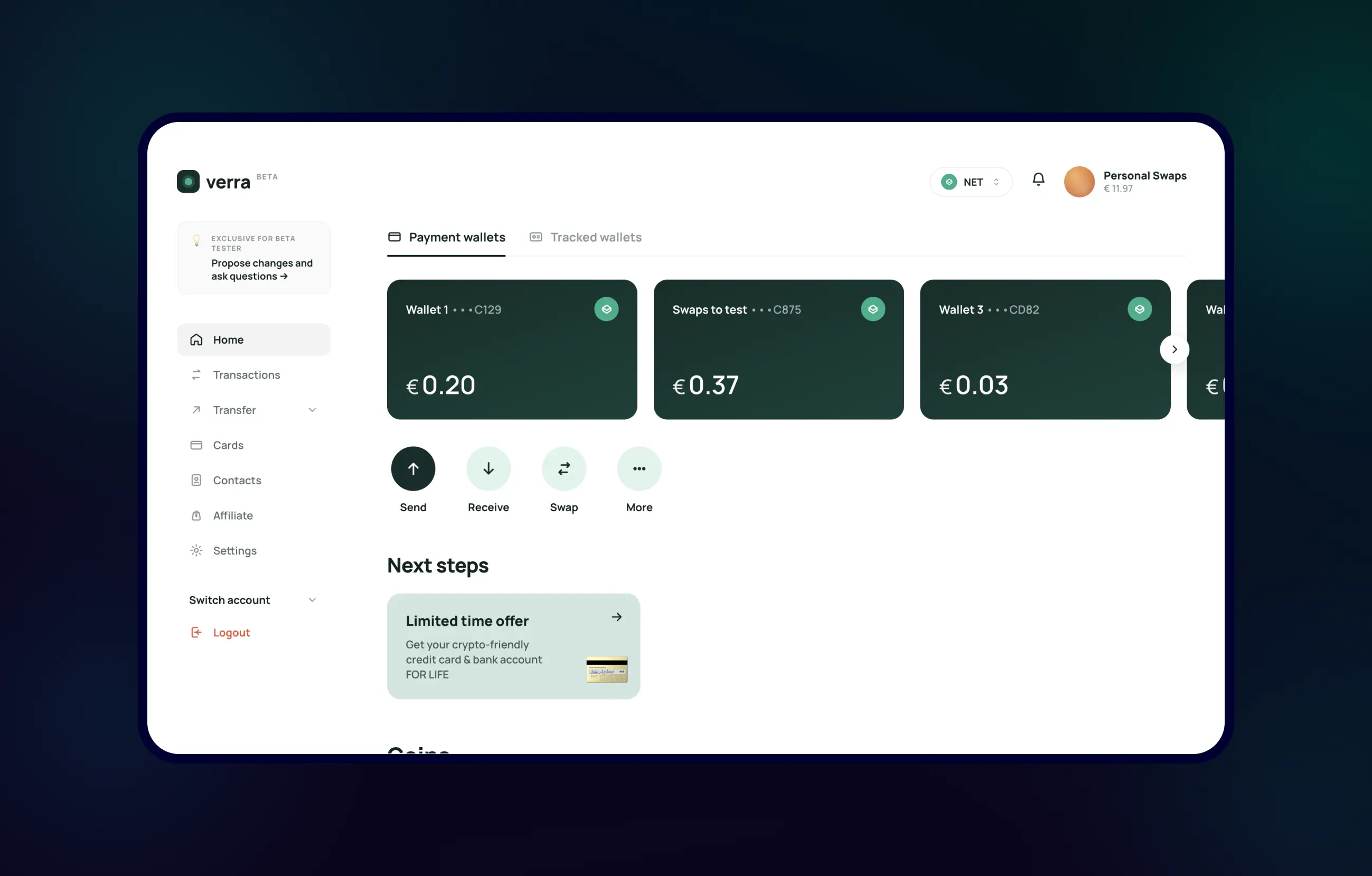
Asset Management Platform Development
A digital asset platform for managing funds and spending crypto through virtual and physical cards across personal and corporate accounts.
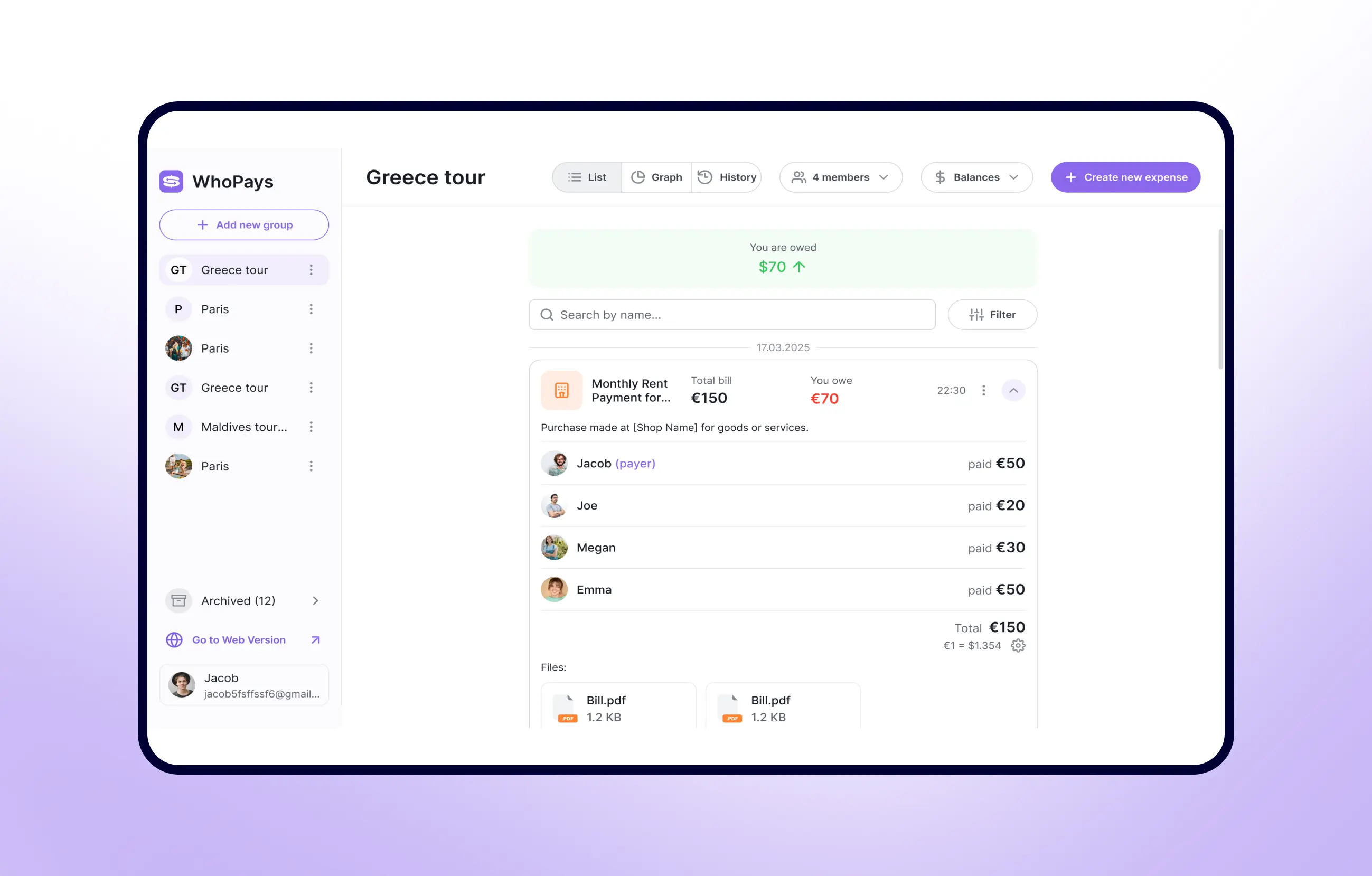
Personal Finance App Development
A personal finance app that helps groups split expenses, track balances, and settle payments without manual calculations.
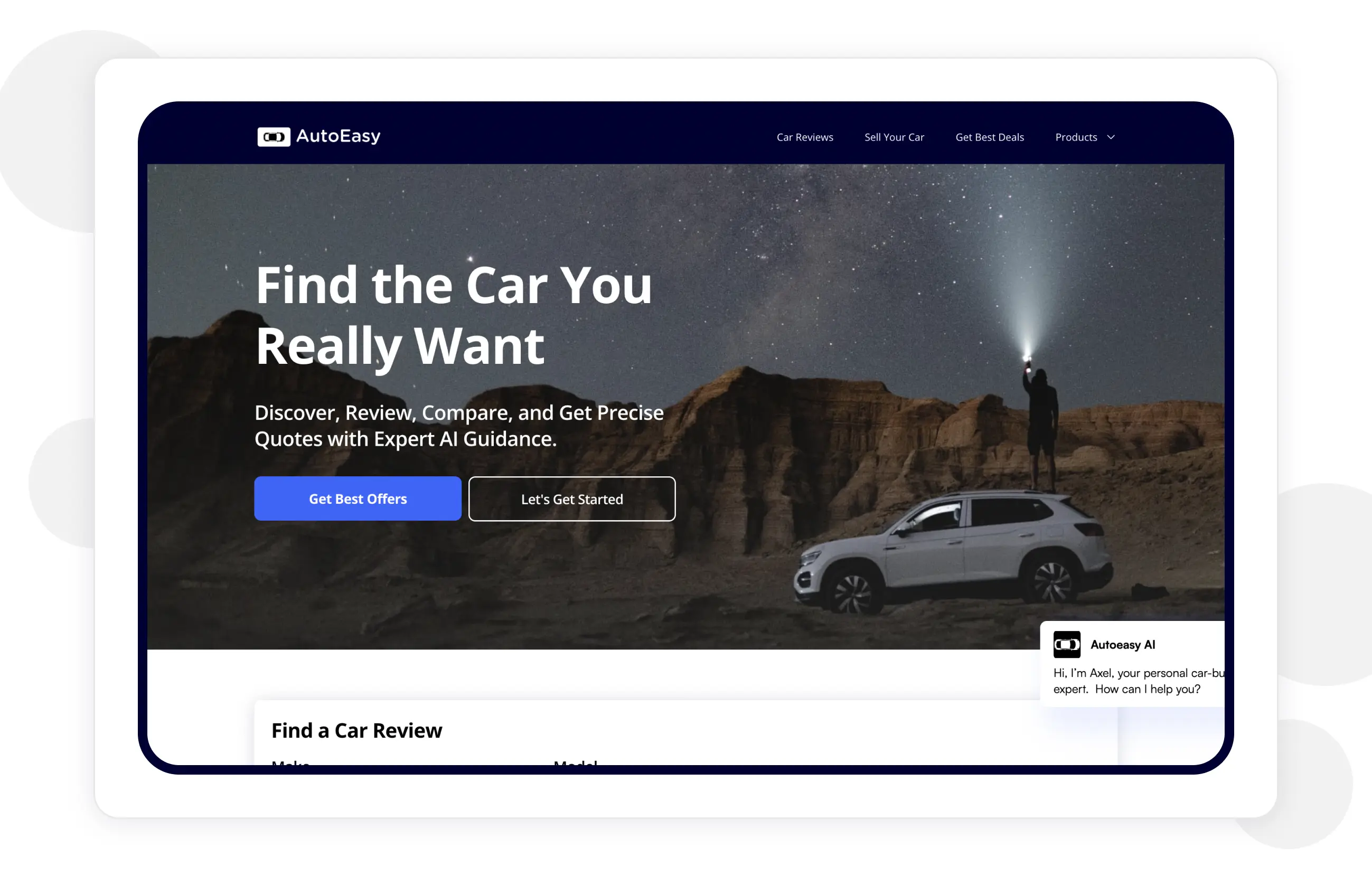
AI-Powered Car Shopping Website Development
An AI-powered platform that helps users find the best car deals through automatically generated reviews, comparisons, and rankings.
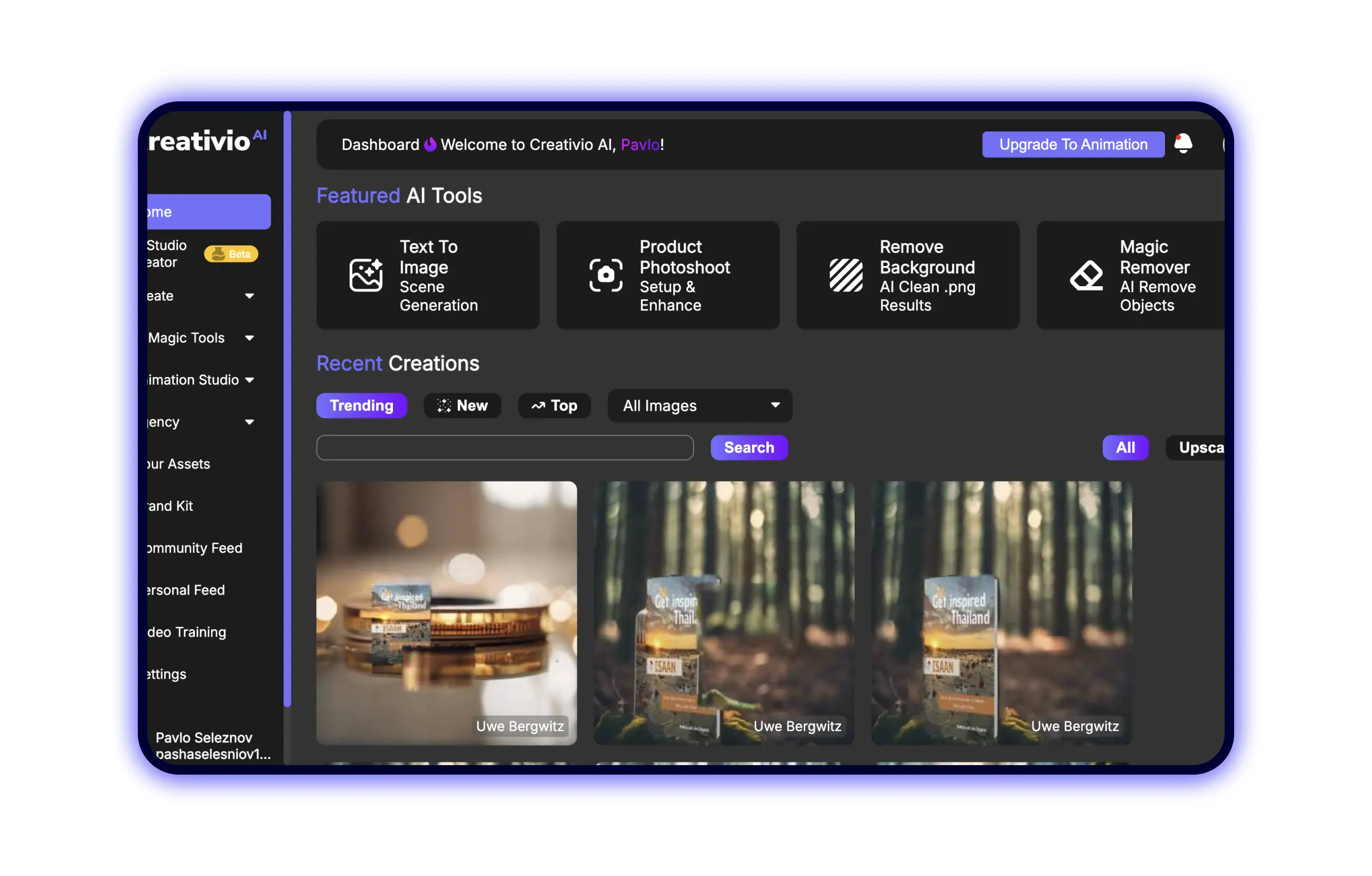
AI SaaS Development
A SaaS platform that uses AI to generate product photography, edit images, remove backgrounds, and improve visual quality.
LangChain Applications Our Developers Can Build
AI Chatbots & Assistants
Chatbots and internal assistants which can answer questions, retrieve information and work with company data. These can be integrated into customer portals, dashboards and existing business apps.
RAG-Based Knowledge Systems
Applications that search documents, pull relevant information and generate answers based on their own internal knowledge. Very useful for support teams, documentation platforms and company knowledge bases.
AI Agents & Business Workflows
Agents that connect to business tools, pull records and perform certain tasks. More complex workflows can involve multiple steps, validation rules and employee approvals.
Document Processing Applications
AI applications that can extract, classify, summarize and organize information from contracts, reports, invoices and the like.
AI-Powered SaaS Features
LangChain based functionality for existing SaaS products (AI search, assistants, automated reporting and any number of features that use application specific data).
Hire LangChain Developers for Different Industries
FinTech Applications
LangChain devs can work on financial document processing, internal knowledge assistants, transaction info search and customer support. Some of these will require integration with financial APIs and account permissions.
SaaS Platforms
Developers for AI features built into existing SaaS apps (knowledge search, reporting, document analysis, assistants that work with product data).
E-commerce & Marketplaces
AI assistants for product information, taking customer requests, processing documents and carrying out all the various internal operations that are tied into the e-commerce systems.
Internal Business Tools
LLM applications that assist staff with searching company documents, processing incoming information, generating summaries and working with data from across the business.
How to Hire LangChain Developers from Stubbs
1. Share Your Requirements
Tell us what you're building, which LangChain tools you're using and what the developer needs to work on. We'll also go over your app stack and expected workload.
2. Review Developer Profiles
We match your requirements to the available engineers and supply their profiles. You can then review their technical background and experience prior to arranging an interview.
3. Interview the Developers
Speak to the candidates directly, talk through your project and find out how they'd go about LLM integration, retrieval, testing and the backend.
4. Start Development
Once you've picked an engineer we agree on the terms of cooperation and then we arrange their onboarding. They join your existing workflow and start working on the tasks that have been assigned to them.
Our LangChain Developer Hiring Models
Staff Augmentation
Add a LangChain developer to your existing engineering team. Your team manages development priorities, while the engineer will work within your existing process.
Best for: organisations that have an in-house dev team and just need a bit more LangChain expertise.
Dedicated LangChain Developer
Hire an engineer for continued LLM application development, RAG enhancements, integrations and maintenance.
Best for: products with a fairly standard development backlog and long term technical needs.
Dedicated Development Team
Bring in a number of developers for a larger AI project, with backend, frontend, QA and technical leadership as and when required.
Best for: companies building AI powered apps or working on a number of interrelated dev tasks.
Why Hire LangChain Developers from Stubbs?

1
Experience with Complex Integrations
We've worked with payment systems, banking APIs, crypto services and identity verification providers. That background is useful for AI applications that are going to be interacting with existing software.
2
Full-Stack Development Expertise
Our engineers work with React, Next.js, Node.js and TypeScript covering the LLM integrations, the backend and the applications around them.
3
FinTech & SaaS Experience
Our portfolio includes financial platforms, crypto exchanges, marketplaces and SaaS products all of which have complex integrations and permissioning.
4
100+ Projects Delivered
Since 2019 Stubbs have delivered over 100 software projects. The team comprises 20+ mid and senior level specialists.
5
Direct Communication
Your developer works directly with your team, using your repos, your tasking tools and your existing dev process.
6
Flexible Hiring Options
Hire an individual engineer or a dedicated team (on a part time or full time basis) with the engagement terms agreed prior to onboarding.
Frequently Asked Questions
1. How much does it cost to hire a LangChain developer?
How much does it cost to hire a LangChain developer?
Cost is dependent on the developer's experience, technical skill and the nature of the project. At Stubbs general software engineering is priced at 30-45/hr, Tech Lead and Solution Architect at 40-55/hr. LangChain rates are confirmed on an individual basis. Projects that involve complex RAG systems, LangGraph workflows and/or multiple AI integrations will typically require a more experienced developer.
2. What does a LangChain developer do?
What does a LangChain developer do?
A LangChain dev builds apps that link language models to external data, APIs and business tools. The usual stuff they do is RAG systems, AI assistants, document processing etc. They'll be doing model integrations, data retrieval, testing and app maintenance. Some are LangChain specialists and others are LangChain developers who are also doing backend or full stack development.
3. What skills should I look for when hiring a LangChain developer?
What skills should I look for when hiring a LangChain developer?
A good LangChain developer will have a working knowledge of LLM APIs, prompt engineering, RAG, embeddings and API integration. Python or JS/TypeScript experience is a must (depending on your stack). For more sophisticated applications you'll want to see experience with LangGraph, tool calling and agent workflows. It's also important to assess how they deal with bad model responses, retrieval accuracy and API cost.
4. What is the difference between LangChain and LangGraph?
What is the difference between LangChain and LangGraph?
LangChain provides the tools to connect LLMs to external data, APIs and application functionality. LangGraph is about managing stateful workflows, which is very much the case when you've got an AI agent that's going to have to do a number of steps, use a number of different tools and potentially wait for human input. You can use both together, though you don't need LangGraph for every LLM application. It's a matter of how much control you need over the execution of the workflow.
5. Can I hire a LangChain developer for an existing project?
Can I hire a LangChain developer for an existing project?
Yes. Our developers can join existing applications to improve RAG functionality, add in LLM integrations, update dependencies, fix up any issues with the model responses etc. We'd first look at the codebase, the architecture and the services that it's currently connected to to get a good understanding of what we're dealing with. There's no need to rebuild the app if the existing app can support the changes we're looking to make.
6. Can LangChain developers work with JavaScript and TypeScript?
Can LangChain developers work with JavaScript and TypeScript?
Yes, LangChain has a JS/TypeScript version (LangChain.js) which works with Node.js apps. That enables you to build LLM features as part of an existing JS/TS backend. At Stubbs we have engineers who work with Node.js, Express.js, NestJS and TypeScript so we can bring the required LangChain.js experience to bear on your app's stack.
7. Do I need a Python or JavaScript LangChain developer?
Do I need a Python or JavaScript LangChain developer?
It really depends on your project. Python is the language of choice for AI, data and ML applications. JS/TS are more likely to be the right fit if you're using LangChain with an existing Node.js backend. If you're already using React, Next.js and Node.js then a LangChain.js dev may be the easiest path to integration and ongoing maintenance. The key thing is of course experience with your actual tech stack.
8. Can your developers build RAG applications with LangChain?
Can your developers build RAG applications with LangChain?
Yes we can absolutely help you to find developers with the requisite LangChain and RAG experience. They can work on the document processing, the embeddings, the retrieval pipelines and the links between the LLM and your data. A RAG app obviously needs to be tested to ensure it's retrieving the right information and respecting user permissions. Our engineers can take care of the surrounding backend and the integrations as part of the project.
9. Can LangChain be integrated into our existing SaaS application?
Can LangChain be integrated into our existing SaaS application?
Yes. LangChain can be used to bring AI assistants, document search, automated summaries and all sorts of other LLM powered features into an existing SaaS product. That could involve connecting your language models to your databases, your APIs and your user accounts. Our dev team are also well versed in React, Next.js and Node.js so if you need changes to the front end and the back end we can deal with that as well.
10. What is the difference between hiring a LangChain developer and an AI agent developer?
What is the difference between hiring a LangChain developer and an AI agent developer?
A LangChain developer is someone who specializes in the LangChain framework and is likely to be working on RAG apps, chatbots, LLM integrations or AI agents. An AI agent developer is someone who specialises in agent development (i.e. systems that use tools and can carry out multi-step tasks) regardless of the framework. If you're building on top of LangChain then obviously you'd want to hire someone who knows LangChain. If you're building a completely new agent then you may actually be better off with someone who has a more general understanding of agent architecture.
11. Can LangChain developers help reduce LLM API costs?
Can LangChain developers help reduce LLM API costs?
Yes. Developers can look at model usage, prompt structure, retrieval logic and the number of API requests. A RAG app for instance might be sending a lot of irrelevant context to the model or using a very expensive model for quite simple tasks. You can reduce costs by improving the retrieval, cutting down on redundant calls and using the right model for the job. The amount of savings you can achieve will obviously be application specific and will depend on the current state of the application.
12. Can I hire a LangChain developer part-time?
Can I hire a LangChain developer part-time?
Yes, part time is absolutely suitable for maintaining existing LangChain apps, for improving retrieval, for doing integrations, for doing feature work etc. For larger projects that involve multiple data sources, agent workflows and so on, a full time engineer may be the more sensible proposition. We do have a range of engagement models at Stubbs and the hours and scope of work are all agreed upfront.
13. How quickly can I hire a LangChain developer?
How quickly can I hire a LangChain developer?
You can typically hire a LangChain developer in 1-2 weeks depending on availability and the exact technical requirements. We'll source the right people, conduct the interviews and assist with the onboarding of your chosen developer.
14. Do you provide ongoing support for LangChain applications?
Do you provide ongoing support for LangChain applications?
Yes. Our developers can provide post launch support for LangChain apps. This would include things like dependency updates, fixing integration issues, improving retrieval quality, adding new functionality etc.
It could also involve reviewing model responses, monitoring API usage and adapting the app as the model providers release updates. You could have a developer on for the ongoing development or have support arranged for specific bits of work.
We would love to help.
What are you interested in:
Name
Tell us about your project and goals
0/1000
Add your file
