AI for SaaS
Add AI to your SaaS product to automate repetitive tasks, improve user experience and help your customers get more value from your software. We build in-app assistants, intelligent search, document processing and automated workflows that work within your existing platform.
Our AI Development Services for SaaS
AI Integration for SaaS
Adding AI capability to existing SaaS products by connecting language models to application data, APIs and UIs.
AI Agent Development
Build AI agents that can retrieve information, use external tools and carry out tasks in SaaS applications.
AI Copilot Development
Developing in-app AI assistants to help users search information, complete tasks and work with product data.
RAG & Knowledge Base Integration
Connecting AI models to internal documentation, databases and knowledge bases in order to provide answers based on the relevant information.
AI Workflow Automation
Automating document processing, request handling, data entry, reporting and all the other 'repetitive' tasks that go on within a SaaS platform.
Generative AI Development
Integrating text generation, image editing, summarisation and content processing features into our existing products.
AI-Powered SaaS Development
Developing new SaaS applications with AI functionality (user management, subscriptions, dashboards, back end integrations etc).
AI Testing & Optimization
Testing AI responses, improving the quality of the output, resolving integration issues and reviewing model usage and performance.
Our Projects
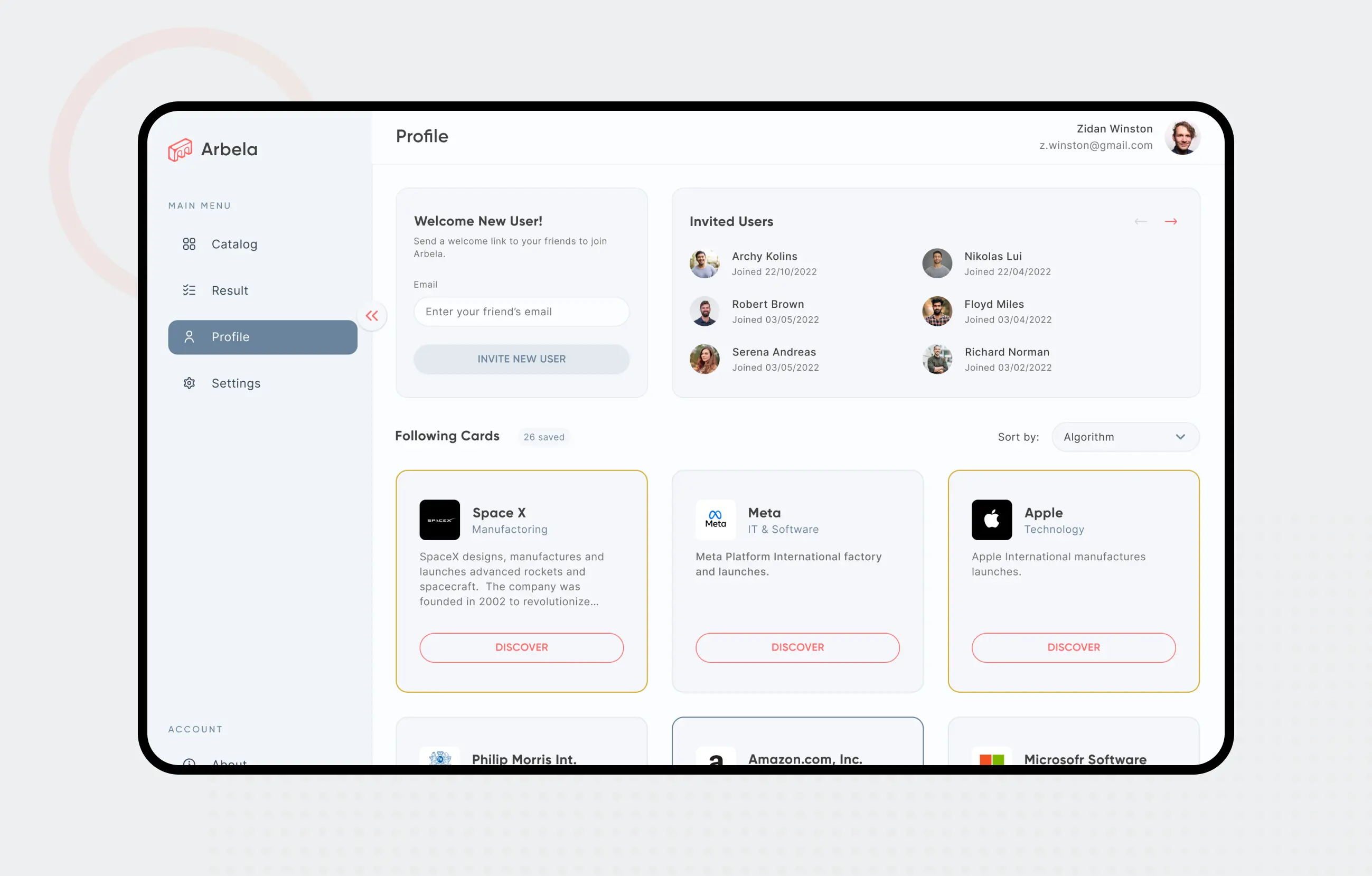
Web3 Investment Platform Development
A collaborative Web3 investment platform where users can discover startups, discuss opportunities, and vote on investment ideas.
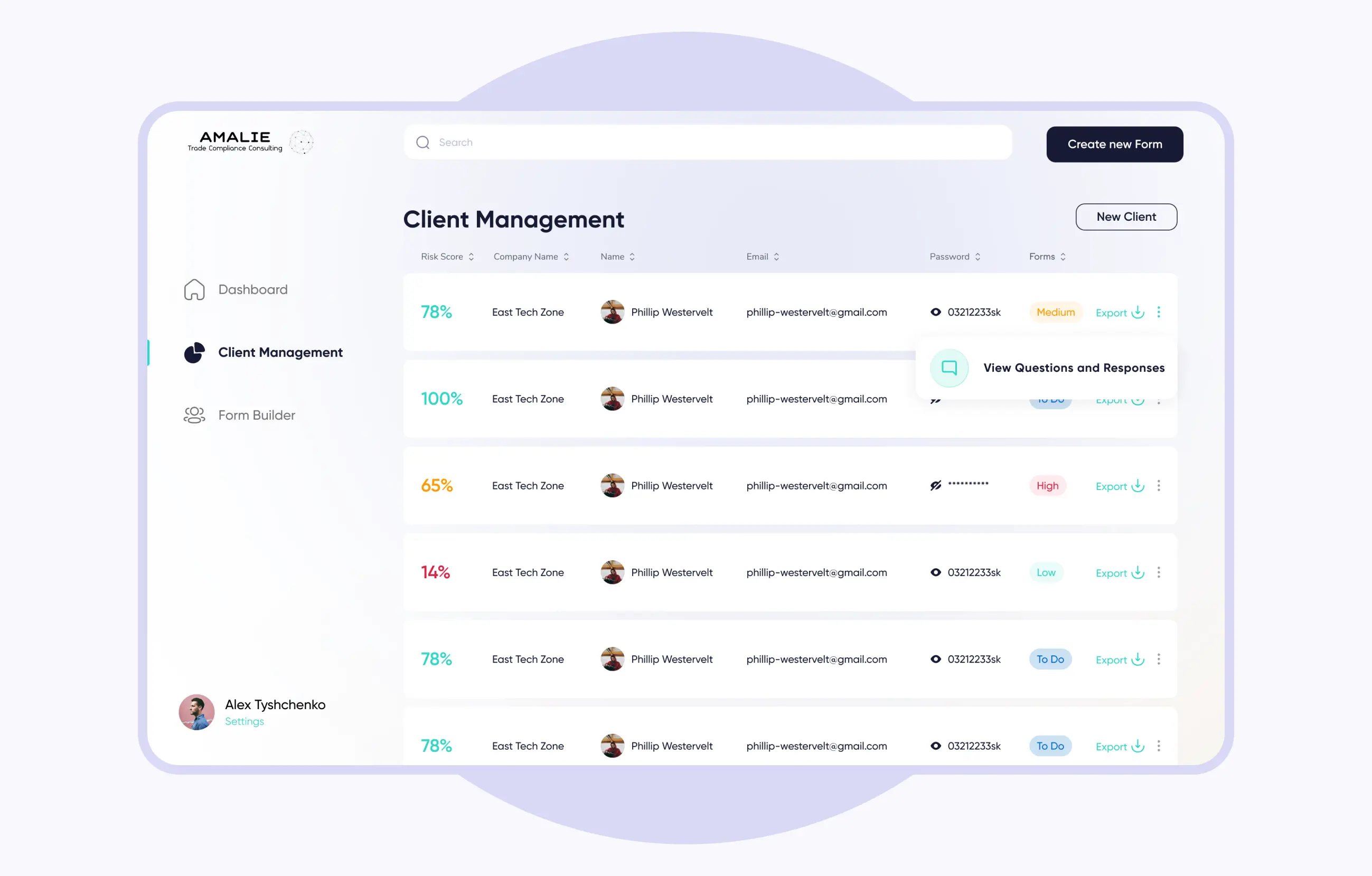
Risk Assessment Software Development
A custom web form builder that automates client data collection and risk calculation for a US-based consulting company.
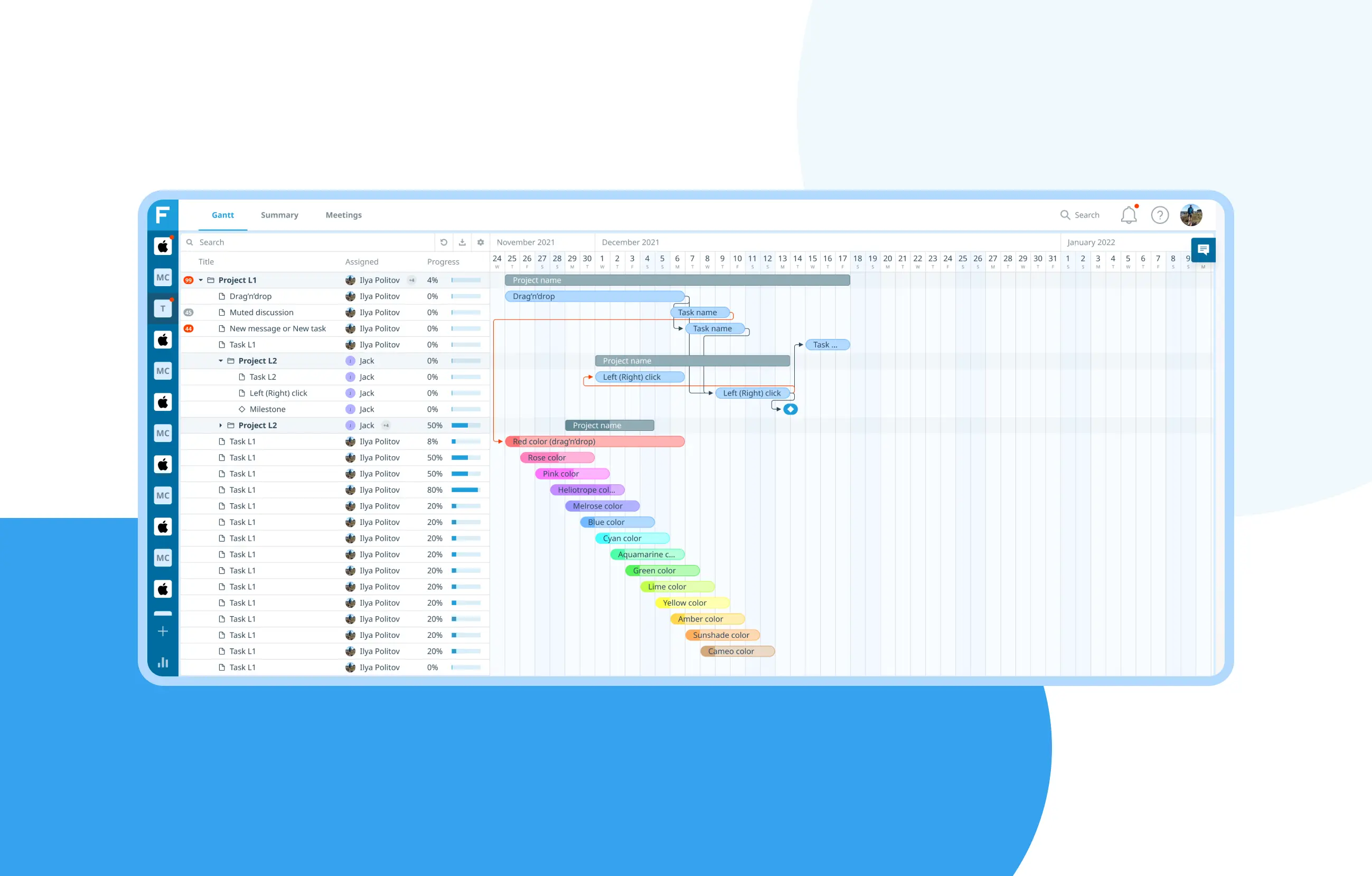
Custom SaaS Platform Development
A SaaS project management app designed to help teams work together using a Gantt chart workflow and real-time updates.
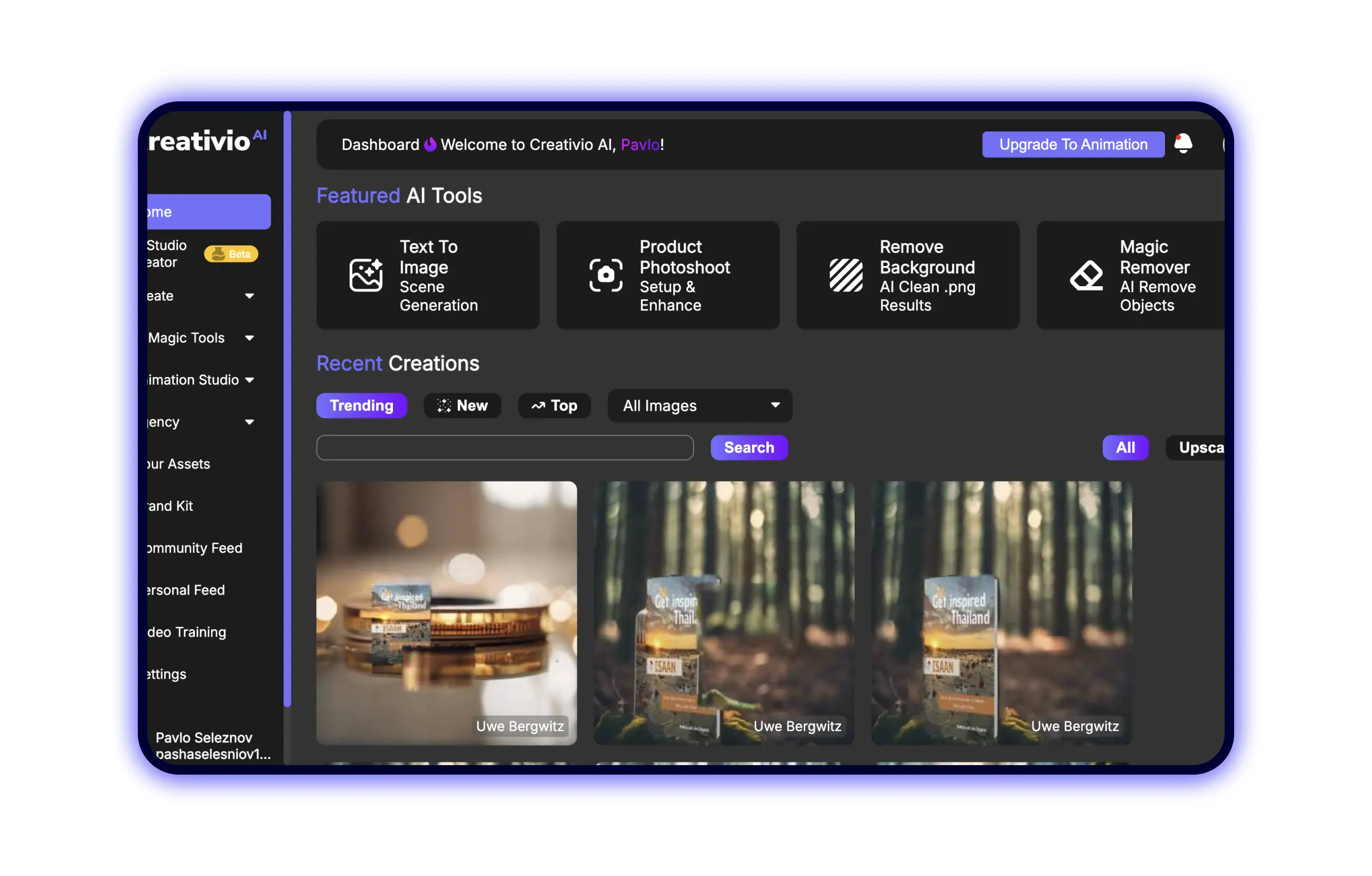
AI SaaS Development
A SaaS platform that uses AI to generate product photography, edit images, remove backgrounds, and improve visual quality.
AI Features We Build for SaaS Products
In-App AI Assistants
AI assistants that help users with product navigation, information lookup and working with their account data. Can be connected to documentation, application APIs and existing features.
Intelligent Search & Knowledge Retrieval
Search functionality that lets users to ask questions about the documents, records and other information stored within the SaaS platform. RAG can be used to retrieve the relevant content prior to generating an answer.
AI-Powered Reporting & Data Analysis
AI features that summarize existing reports, explain the data and help users to find important information. Calculations and metrics remain connected to the application’s data sources.
Document Processing & Extraction
Tools that extract, classify and organize information from uploaded documents. Useful for invoices, contracts, reports, forms and all sorts of other documents that you might process within a SaaS application.
AI Agents & Task Automation
Agents that interact with existing product functionality, pull records, prepare updates and carry out the requisite tasks via API. Workflows which involve sensitive changes will include user approval.
AI Content Generation
Text and image generation features for SaaS products (writing assistants, content editing, product descriptions and so on).
AI Solutions for Different SaaS Platforms
AI for FinTech SaaS
AI for financial document processing, expense categorisation, account assistance and reporting. Our FinTech experience covers payment integrations, digital wallets and financial APIs.
AI for CRM & Sales Platforms
AI assistants for customer information lookup, lead classification, CRM data updates and sales reporting. All of these can be used in conjunction with existing customer records and business rules.
AI for Project Management SaaS
AI powered task summaries, project information search, report writing and assistance with the myriad of routine admin tasks.
AI for E-commerce SaaS
AI product content generation, catalog processing, image editing, customer support and search for e-commerce platforms.
AI for HR & Business Management SaaS
Document processing, internal knowledge assistants, employee information search and the automation of various admin tasks.
Adding AI to an Existing SaaS Platform
User Roles & Data Access
AI features should respect the application's existing permission model. In a multi-tenant SaaS environment one customer's data must be kept separate from another's at all times, including when retrieving documents and when generating AI responses.
Subscriptions & AI Usage Limits
AI features will introduce usage based costs. We can link model usage to subscription plans, account limits or credit systems so that the app can control which features are available to which users.
Backend & API Integration
Our engineers connect AI services to existing databases, APIs, and backend functionality. If the application needs additional endpoints or background processing, these can be developed without replacing the entire backend.
Monitoring & Cost Management
Model usage, response times and failed requests all need to be tracked post launch. We can implement usage monitoring, have appropriate error handling and be able to change the model or the way we're processing the request if required.
Our AI for SaaS Development Process
1. Product & Requirements Review
We review your SaaS app, the current functionality, the data sources and the AI features you'd like to add. For a new product we define the functionality required for v1.
2. Technical Planning
Our engineers will pick the integration approach, look at the appropriate AI models and plan the changes to the backend and the interface. If it's something that requires technical validation we can kick off with a PoC.
3. Development & Testing
We build the AI functionality and integrate it with the existing application systems. Our testing covers model responses, permissions, API failures and the key user flows.
4. Deployment & Support
After release we can monitor usage, fix any technical issues, improve the AI responses and add further functionality based on user feedback.
Why Choose Stubbs for AI SaaS Development?

1
SaaS Development Experience
We've built subscription platforms, dashboards, marketplaces and business apps with complex integrations and user permissions.
2
Full-Stack Development Expertise
Our engineers work with React, Next.js, Node.js and TypeScript covering the AI integrations and the frontend and backend around them.
3
Experience with Complex Integrations
We’ve connected software with payment providers, banking APIs, identity verification providers and a range of other external business systems.
4
100+ Projects Delivered
Since 2019 Stubbs have delivered over 100 software projects. The team comprises 20+ mid and senior level specialists.
5
Flexible Cooperation Models
We can build an AI feature, go right in and build an entire SaaS product or provide engineers to join your existing team.
Frequently Asked Questions
1. How is AI used in SaaS applications?
How is AI used in SaaS applications?
AI is used in SaaS products for intelligent search, document processing, customer support, content generation, reporting and workflow automation. A project management platform might use AI to generate summaries of tasks, a CRM could use it to help users find customer information or draft follow-ups. AI features can be bolted on to existing SaaS products or can be part of a completely new SaaS application.
2. What AI features can I add to my existing SaaS product?
What AI features can I add to my existing SaaS product?
You can add AI assistants, document processing, semantic search, automated reporting, content generation and AI agents that work with existing product functionality. The best starting point is going to be very much dependent on what your users are currently doing. At Stubbs we'll look at your application and your data sources to work out what can be added in without requiring any major changes to the existing architecture.
3. How much does AI SaaS development cost?
How much does AI SaaS development cost?
At Stubbs AI SaaS projects typically run from $25k to $80k+ depending on the features, the architecture and the integrations. You can often add an AI feature to an existing product for less than it would take to build an entire platform. A standalone AI chatbot for instance is typically in the 10k-30k+ range. Model API usage, cloud hosting and ongoing maintenance are all generally priced separately.
4. How long does it take to integrate AI into a SaaS platform?
How long does it take to integrate AI into a SaaS platform?
A simple AI integration will take a few weeks, more complex functionality can take several months. It's very much dependent on the current architecture, the data you have, the integrations you have and the testing you need to do. A text summariser is going to be a lot easier to add than an AI agent which has access to a number of your internal systems. We'd give a development timescale after we've had a look at your product.
5. Can you integrate AI into our SaaS without rebuilding it?
Can you integrate AI into our SaaS without rebuilding it?
Yes. A lot of the AI features can be added via the existing APIs and backend services. We look at the app's architecture, the databases, the auth and the user permissions prior to any development. In some instances the AI can run as a separate service off the current backend. There may be some additional changes required but in most cases you wouldn't need to replace the whole app.
6. What is the difference between AI SaaS development and traditional SaaS development?
What is the difference between AI SaaS development and traditional SaaS development?
Traditional SaaS development is all about the application itself i.e. user accounts, subscriptions, billing, dashboards, the business logic etc. AI SaaS development is the same but with the addition of features that use AI to process information, generate content, assist the user with tasks etc. You still need the front end, back end and database of course. The key difference is the amount of work that goes into integrating the model, testing the AI's output and managing the cost of usage.
7. Do we need to train a custom AI model for our SaaS product?
Do we need to train a custom AI model for our SaaS product?
Not at all. A whole host of AI features can be delivered via existing models through an API. Chatbots, document summarisation, content generation and AI search are all things that can be done without any need to train a bespoke model. We'll go through the list of available models and see if any of them are suitable for the product. Custom training or fine-tuning will only be considered if the off-the-shelf models aren't good enough for a particular use case.
8. Can AI agents be integrated into existing SaaS applications?
Can AI agents be integrated into existing SaaS applications?
Yes, AI agents can work with SaaS data, APIs and existing functionality to help a user get their job done. An agent could pull data from a CRM, generate a report or update a set of records. The implementation will need to be set up with appropriate permissions and rules as to what the agent is allowed to access and what it is allowed to change. Sensitive actions will of course require user approval before they are carried out.
9. How do you manage AI usage costs in SaaS?
How do you manage AI usage costs in SaaS?
AI model providers typically bill on a usage basis (tokens, requests, generated images etc). We can put in place usage tracking, account limits and controls as part of your subscription plan. Developers can also go through their model selection, prompt size, caching and any unnecessary requests to reduce their costs. All of this is particularly relevant if you have a SaaS product with a large number of users or if you're offering AI as part of a paid subscription.
10. Can AI features be included in different SaaS subscription plans?
Can AI features be included in different SaaS subscription plans?
Yes. AI features can be plugged into the application's existing billing and subscription model. A basic plan could have a limited number of AI requests, a higher plan could have more requests or access to additional functionality. We could easily implement a credit model, monthly limits, usage tracking etc through the back end. The pricing model would obviously have to take into account the cost of the AI processing.
11. How do you protect customer data in AI-powered SaaS?
How do you protect customer data in AI-powered SaaS?
We implement auth, role based access, secure API comms and data handling as required by the app. In a multi-tenant product the AI features will be subject to the same data access restrictions as the rest of the app. We also consider what data is sent to the external AI providers and how that data is processed. There may be additional requirements in place under GDPR and similar regulations.
12. How do you test AI features in SaaS applications?
How do you test AI features in SaaS applications?
Testing covers both the application functionality and the results that the AI model returns. We test normal user requests, bad inputs, missing data and API failures. For AI search we're looking at whether it returns relevant documents. For AI agents we're also looking at tool access and the actions that are permitted. AI results will of course vary so evaluation has to take that into account and it can't just be about getting the same output every time.
13. Can we start with one AI feature before adding more?
Can we start with one AI feature before adding more?
Yes. It can often be a sensible thing to start with one feature when you're testing AI in an existing SaaS product. You could for instance introduce document summarisation, an AI assistant or a search feature to a small group of users. That gives you the chance to look at usage, get feedback and assess the operating cost before you go any further.
14. Do you provide ongoing support for AI SaaS applications?
Do you provide ongoing support for AI SaaS applications?
Yes we can maintain the AI capabilities post deployment (model API updates, integration fixes, performance enhancements, new features etc). Support can also cover usage cost reviews, model response testing and the adjustment of features as the SaaS product evolves. You can either continue to work with the same engineers or have support arranged for specific dev tasks.
We would love to help.
What are you interested in:
Name
Tell us about your project and goals
0/1000
Add your file
